Fix & Flip Financing Explained
Get the funding you need to renovate and maximize your profits on your next flip.
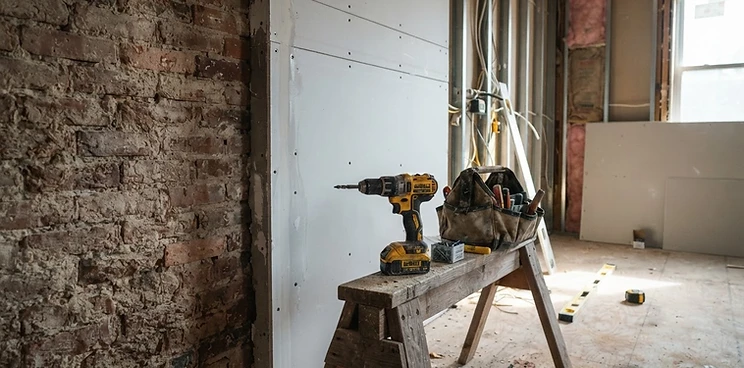
Fix and flip deals live and die on speed and margin. The financing behind them is built for exactly that — short timelines, purchase-plus-rehab budgets, and an exit through resale.
What a fix and flip loan covers
Most fix and flip loans fund two things:
- The purchase price of the property
- The renovation budget, released in draws as work is completed
Lenders typically size the loan against the property's after-repair value (ARV) — what it should be worth once the renovation is done — rather than just the current purchase price.
Typical structure
Fix and flip loans are usually short-term, often 6 to 18 months, with interest-only payments. Because the timeline is short, rates are typically higher than a conventional mortgage, but the loan is designed to be paid off quickly when the property sells.
What lenders look at
- The purchase price relative to ARV
- A realistic renovation scope and budget
- Your track record with similar projects
- Comparable sales in the neighborhood
- Your exit strategy and timeline
First-time investors can still get funded — a solid plan, a good contractor, and a conservative budget go a long way.
Three mistakes to avoid
- Underestimating the rehab budget. Build in a contingency of at least 10–15%.
- Ignoring holding costs. Interest, taxes, insurance, and utilities add up every month the property sits.
- Overestimating ARV. Use recent, nearby comps — not the best house on the block.
Profit is made on the buy and protected by the budget.
Ready to move on a deal?
Submit a quick financing inquiry and tell us about the property. We'll route it to lenders in our network who focus on fix and flip projects. ConstructionLoanZone is a connection service, not a lender, and all funding is subject to lender approval.